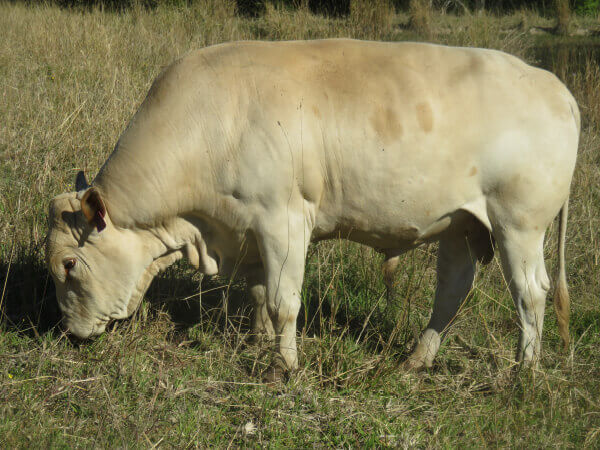
TULI
This hardy, unique Zimbabwean breed was developed in Zimbabwe to thrive under often challenging climatic conditions. In 1955, the Tuli was registered as a Zimbabwean indigenous breed. The late Queen Elizabeth awarded Len Harvey the prestigious MBE for his contribution to agriculture in Zimbabwe.
The Tuli breed is medium-framed and comes in four basic coat colours: red, gold, ivory and dun. The Tuli is sleek and shiny with a short-haired, smooth coat, which deters ticks. This has also allowed them to adapt well to the intense sunlight typical of Zimbabwe, which is very similar to the northern parts of Australia.
One of the most advantageous traits is their fertility, calf-to-weaning ratio, and early maturity. Premium fertility means more calves and, therefore, more income every year. Price-wise, Tuli is at the high end because of the exceptional quality of meat they produce. The Tuli is early-maturing, and re-conception is earlier, allowing for a faster return on investment. Their average pregnancy rate is 90%.
The breed’s mothering ability is outstanding, as they actively protect their calves against predators.
Other traits that set this breed apart are their hardiness, diverse environmental and climatic adaptability, low maintenance and their natural ability to handle intense heat without stress. Their outstanding tick and disease resistance is legendary and reduces vet bills and treatments. The breed’s temperament makes them very easy to work with and they are tolerant to nutritional shortages.
In dry areas with low annual rainfall in the area from as low as 159mm/y to 420mm/y, coupled with temperatures of over 40°C. Tuli Cattle will flourish.
The breed’s indiscriminate grazing habits make it the ideal choice in harsher grazing environments and to mitigate the effect of drought. In drought years, it is easier for Tuli females to obtain their nutritional requirements from the land.
The animals’ access to roughage is increased by chipping and shredding bush and feeding it to the cattle. Tuli love eating it fresh, and despite the lack of leaves during the drought, the stems come out bright green, which gives the animals a significant protein boost.
– Martin Luitingh
Tuli Bulls