NGUNI
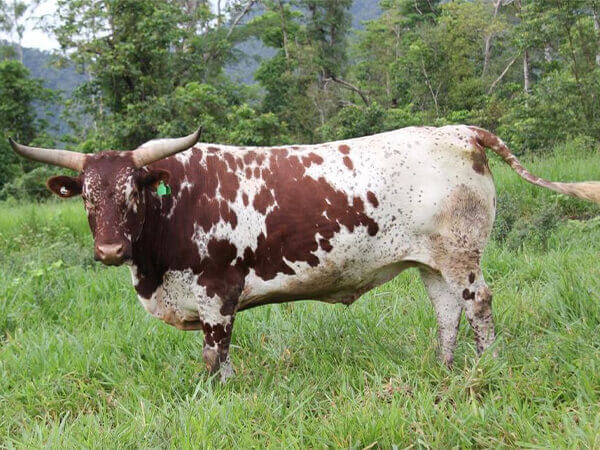
The Nguni Breed flourishes in arid, harsh conditions, with cold winters down to -8ºC and dry, hot summers up to 40ºC with annual summer rainfall of 300 millimetres. This breed can adapt to long periods of drought and to all grazing conditions, from high rainfall to low rainfall. Their adaptability allows them to thrive, produce and survive in different climate conditions.
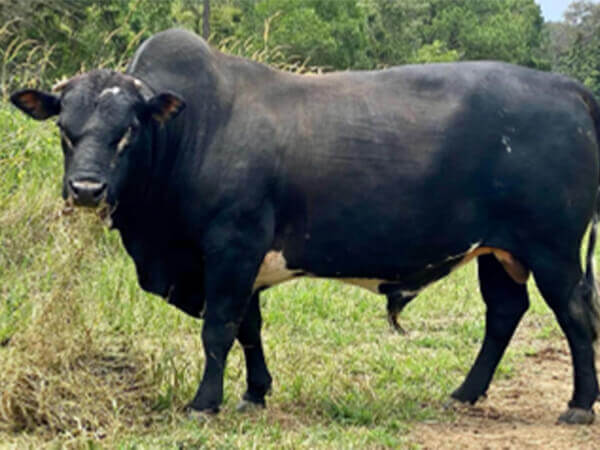
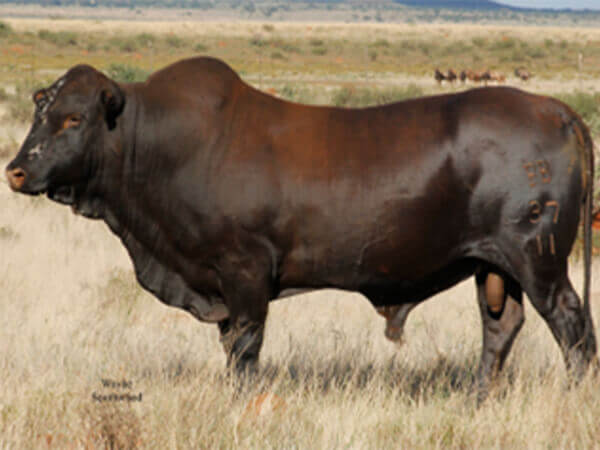
These animals, through natural selection, define the ideal cattle weight for the harsh Southern hemisphere ?? climate: bulls weigh 600-700kg, and cows weigh 250-350kg. They are resourceful foragers and regularly include leaves, shrubs, bark, berries and even weeds in their diet. This results in a great capacity to survive droughts and eliminates supplementary feeding.
Being ‘flat-boned’ with light skeletons, it reduces trampling of grass and allows for long-range water access. This also ensures a greater deboned weight-to-dressed weight ratio, providing, on average, 15% more meat to the butcher per dressed carcass. The Nguni is a maternal line breed and is certainly one of the most fertile breeds under harsh grazing conditions with low mortality and high longevity; they calve easily and have excellent maternal qualities.
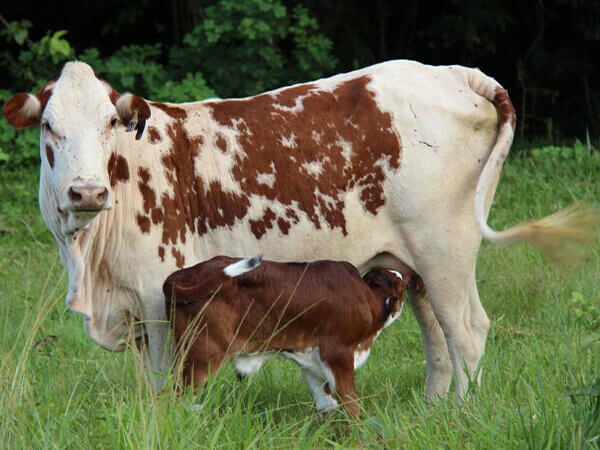
The Nguni cow limits the size of the foetus and together with the characteristic sloping rump, the cows calve easily. She can properly raise the calf of a meat breed bull, with greater income per hectare guaranteed. This outstanding cow’s efficiency ensures a weaned calf with easily 50% and more of her own weight. Maternal qualities are very strong. She will protect her calf with her life from predators.
The fertility of Nguni cows approaches 100% with the expectation of one calf every year. The Nguni pelvis is problem-free and will easily calve from any large-framed bull. Their udder is well-attached with plenty of milk and decent teats: pendulous, low-hanging udders or bottle teats are rare. Nguni cows grow very old and can be expected to calve until age 16 or older. The Nguni is naturally resistant to internal and external parasites. This is due to natural selection over the centuries in Africa. Farming with Nguni cattle remains a low-cost operation with little or no use of dosing agents and vaccinations.
The challenge is to build your own high-quality Nguni breeding herd – either pure Nguni cows or high-grade crossbreeds bred with top-quality Nguni bulls. This herd is well-suited for dry regions and organic farming. Registration Options for Nguni: Establish and register your own Nguni stud with purebred cows and bulls. Establish and register your own Ausguni stud by enrolling in a F5 crossbreeding program. Establish and register your own Solera breed using Nguni as the foundation genetics. Longevity is a very important characteristic of the Nguni cow and some cows reach 18 years old.
More Nguni Information
The Potential of South African Nguni Cattle
In the cattle industry, breeds like Hereford, Angus and Holstein have been celebrated for centuries and rightly so. They all possess characteristics that breeders in their climates seek out for their herds. The Nguni, however, has been overlooked outside of the South...
Nguni Cattle
Mr Tembe