DrakensBerger
The Drakensberger cattle have an easy temperament and are quite docile. They are easily handled and raised by breeders. This cattle breed can live over 14 years, remaining productive for most of their lives. Cows have a high fertility rate and give birth to calves easily. Calves have a fast growth rate due to their mother’s milk’s quality and quantity, but they continue to gain weight quickly after weaning. All these characteristics support this cattle’s title of being a “profit breed.”
Draks have a significant carcass, making it on the top 10 list of highest quality beef in South Africa and is recognised as having high palatability. Outside of South Africa, Draks are found in Australia, where they have been bred and are well received by many committed breeders who have bred them successfully in arid areas. While this cattle breed has high milk production, the Drakensberger is not used for commercial milk production. Trials conducted by JF de Bruyn et. Al. (1989), on different breed groupings viz. Zebu-, British-, European breeds and the Drakensberger, showed the Drakensberg to have the juiciest and most tasty (flavourful) meat with the best cutability. The dressing percentage was second only to the European breed whilst statistically higher than that of the Zebu and some British breeds.
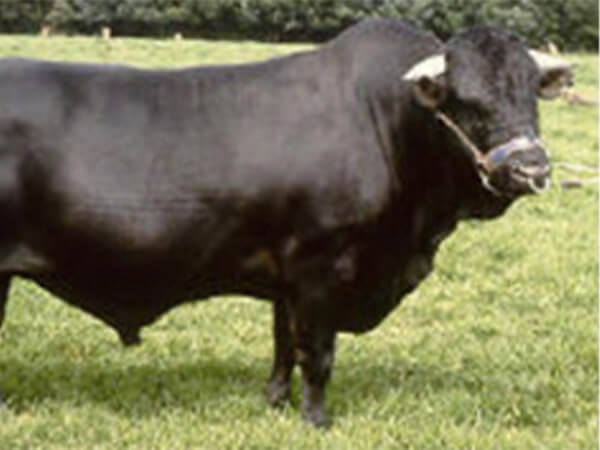
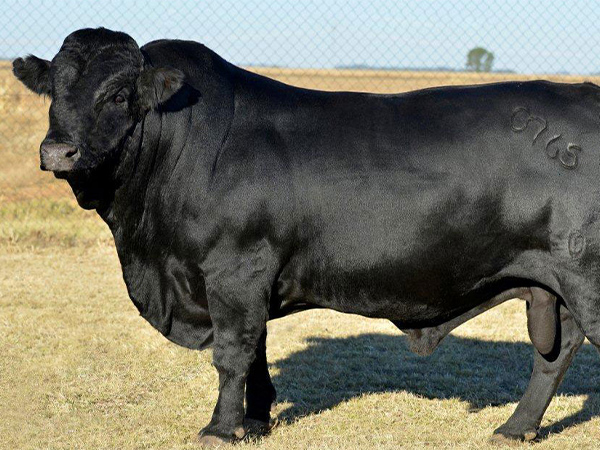
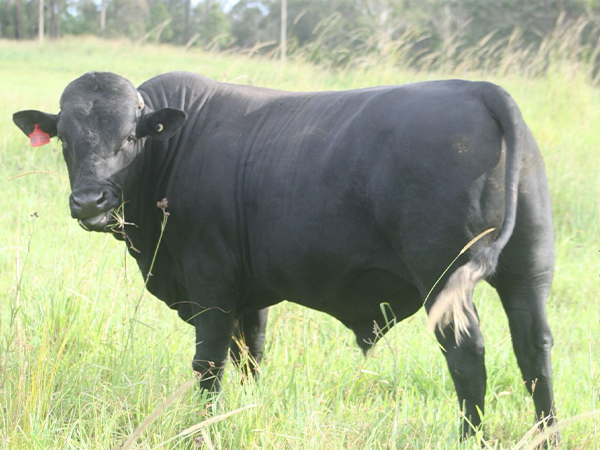
Drakensberg cattle are a medium-frame breed with a long and deep body and a smooth black coat. Their horns are short and curved and there are also polled animals within the breed. Mature bulls can weigh a ton or more, while cows weigh less, with a range of 500-700kg. There has been successful crossbreeding, and the breed’s ability to cross with both Bos indicus and Bos taurus breeds is well known, making it exceptionally suitable as a mother-line breed in crossbreeding systems.
Effort and care have been put into maintaining the purity of the Drakensbergers by South African cattle breeders in Australia after embryos were sent to Australia in 2004 and 2009.
The Drakensberger cattle have adapted to extreme heat and subzero temperatures. These cattle thrive on even low-quality foraging in rough terrain.
DrakensBerger Cattle